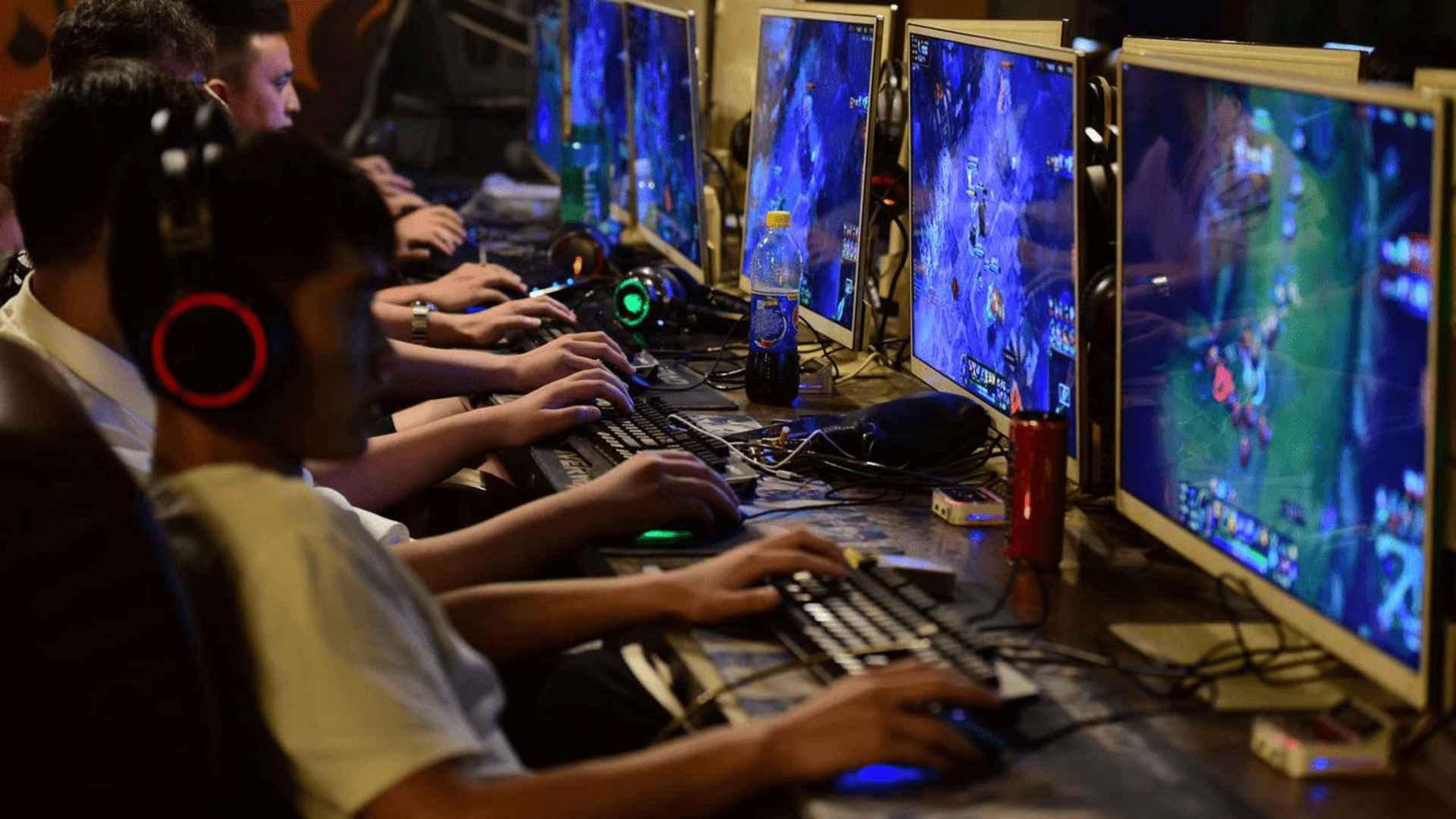
Minimizing full-screen PC games allows players to quickly access background applications, respond to messages, or check system performance without closing their gaming session. While modern titles usually handle desktop switching smoothly, certain display modes can cause brief delays or black screens during the transition. Understanding the different keyboard shortcuts and system settings will ensure you can switch back and forth efficiently.
Essential Keyboard Shortcuts for Instant Minimization
The fastest way to minimize any active video game is by using dedicated Windows keyboard shortcuts. Pressing the Alt key together with Tab opens the task switcher, allowing you to instantly select another open window on your desktop. Alternatively, pressing the Windows Key alongside D will immediately minimize all active windows and display your clean desktop screen.
Another reliable shortcut combination is pressing the Windows Key together with M, which minimizes every window that supports the command. If a game appears unresponsive or locks your cursor, pressing Ctrl, Shift, and Escape directly opens the Task Manager to force focus away from the game. These combinations provide dependable methods to regain control of your desktop environment at any time.
Understanding Display Modes and Their Impact
How smoothly a game minimizes depends heavily on the graphics display mode selected in the game options menu. Exclusive Fullscreen mode gives the game direct control over your display adapter for maximum performance, but it often causes screen flickering when minimizing. Borderless Windowed mode renders the game inside a borderless frame, allowing seamless switching without any display lag.
Choosing Windowed Mode displays the game inside a standard application window complete with title controls and minimize buttons. While traditional fullscreen yields slightly better frame rates on older hardware, borderless settings are ideal for multi-monitor setups and frequent multitasking. Adjusting these display preferences helps prevent technical hitches when switching between tasks.
Managing System Settings for Smooth Task Switching
Background system features can sometimes interfere with how PC games behave when minimized to the taskbar. Features like Windows Focus Assist help suppress unexpected pop-ups and notifications that might accidentally minimize your game during intense gameplay sessions. Checking your graphics card control panel also ensures proper GPU scaling settings are enabled for multi-window management.
Some resource-heavy games automatically pause audio or reduce background CPU usage when minimized to conserve system hardware power. If a title freezes upon restoring it from the taskbar, updating your display drivers often resolves persistent compatibility bugs. Configuring these settings creates a stable environment for seamless desktop navigation during gaming sessions.